

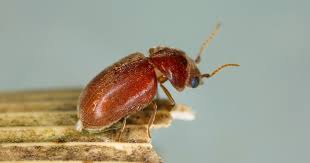
The presence of a cigarette beetleinfestation can create significant problems for homes, storage facilities, and businesses that handle dried food products and organic materials. These small pests are known for their ability to contaminate stored items and spread quickly when conditions are favorable. Understanding how to identify and prevent infestations is essential for protecting valuable products and maintaining a clean environment. Early detection and proper prevention measures can help minimize damage and reduce the risk of widespread pest activity.
What Is a Cigarette Beetle?
A cigarette beetle is a small, light-brown insect that belongs to a group of pests commonly associated with stored products. Despite its name, this beetle is not limited to tobacco products. It can also infest spices, dried herbs, grains, pet food, seeds, and various packaged goods.
Adult beetles are usually small and oval-shaped, making them difficult to notice until an infestation becomes established. They are capable of flying and can move easily between storage areas, increasing the potential for contamination.
How Can You Identify a Cigarette Beetle Infestation?
Identifying a cigarette beetle infestation often begins with observing adult beetles around windows, shelves, or storage containers. Since adult beetles are attracted to light, they may frequently appear near lamps or windows.
Another common sign is the presence of small holes in packaging materials. Larvae can chew through paper, cardboard, and thin plastic while searching for food sources. Infested products may also contain larvae, shed skins, or fine powder-like debris created by feeding activity.
Regular inspections of stored products can help detect infestations before they become severe. Paying attention to unusual insect activity in storage areas is an important part of early identification.
Why Are Cigarette Beetles a Concern?
Cigarette beetles can cause extensive damage to stored products. Once they gain access to food supplies or organic materials, they reproduce rapidly and spread throughout storage areas. Their feeding habits contaminate products, making them unsuitable for use.
In addition to damaging stored goods, infestations can result in financial losses due to product disposal and replacement. Businesses that store large quantities of food-related items may face operational challenges if infestations are not addressed promptly.
Because these pests can survive in a variety of environments, they require careful monitoring and effective prevention strategies.
What Conditions Attract Cigarette Beetles?
Warm temperatures and readily available food sources create ideal conditions for cigarette beetles. Storage areas containing dried products are especially vulnerable if products are not properly sealed.
Poor inventory management can also contribute to infestations. Older products that remain undisturbed for long periods provide an opportunity for beetles to reproduce and spread unnoticed. Cracks, crevices, and hidden storage spaces may serve as shelter for developing larvae and adult insects.
Maintaining clean and organized storage areas can significantly reduce the likelihood of attracting these pests.
How Can Cigarette Beetle Infestations Be Prevented?
Prevention begins with proper storage practices. Keeping products in tightly sealed containers helps limit access to food sources and reduces the chances of infestation. Regularly inspecting stored items can also help identify problems before they spread.
Cleaning shelves, removing food debris, and disposing of damaged products are important preventive measures. Rotating inventory and using older products first can prevent items from remaining in storage long enough to become infested.
Temperature control may also help in certain situations, as extreme temperatures can reduce beetle survival and reproduction rates.
What Should You Do If an Infestation Is Found?
When an infestation is discovered, affected products should be carefully inspected and removed when necessary. Identifying the source of the infestation is crucial for preventing continued spread.
Storage areas should be thoroughly cleaned, including shelves, corners, and hidden spaces where insects may be present. Monitoring the area after treatment helps ensure that any remaining beetle activity is detected quickly.
Prompt action is important because even a small infestation can expand rapidly if conditions remain favorable.
Why Is Ongoing Prevention Important?
Long-term prevention is the most effective way to manage cigarette beetles. Regular inspections, proper sanitation, and secure storage practices create an environment that is less attractive to these pests.
By focusing on early identification and consistent prevention efforts, property owners can protect stored products, reduce losses, and maintain cleaner, safer storage conditions. A proactive approach helps ensure that cigarette beetles do not become a recurring problem and supports the long-term protection of valuable goods.





Leave a Reply