

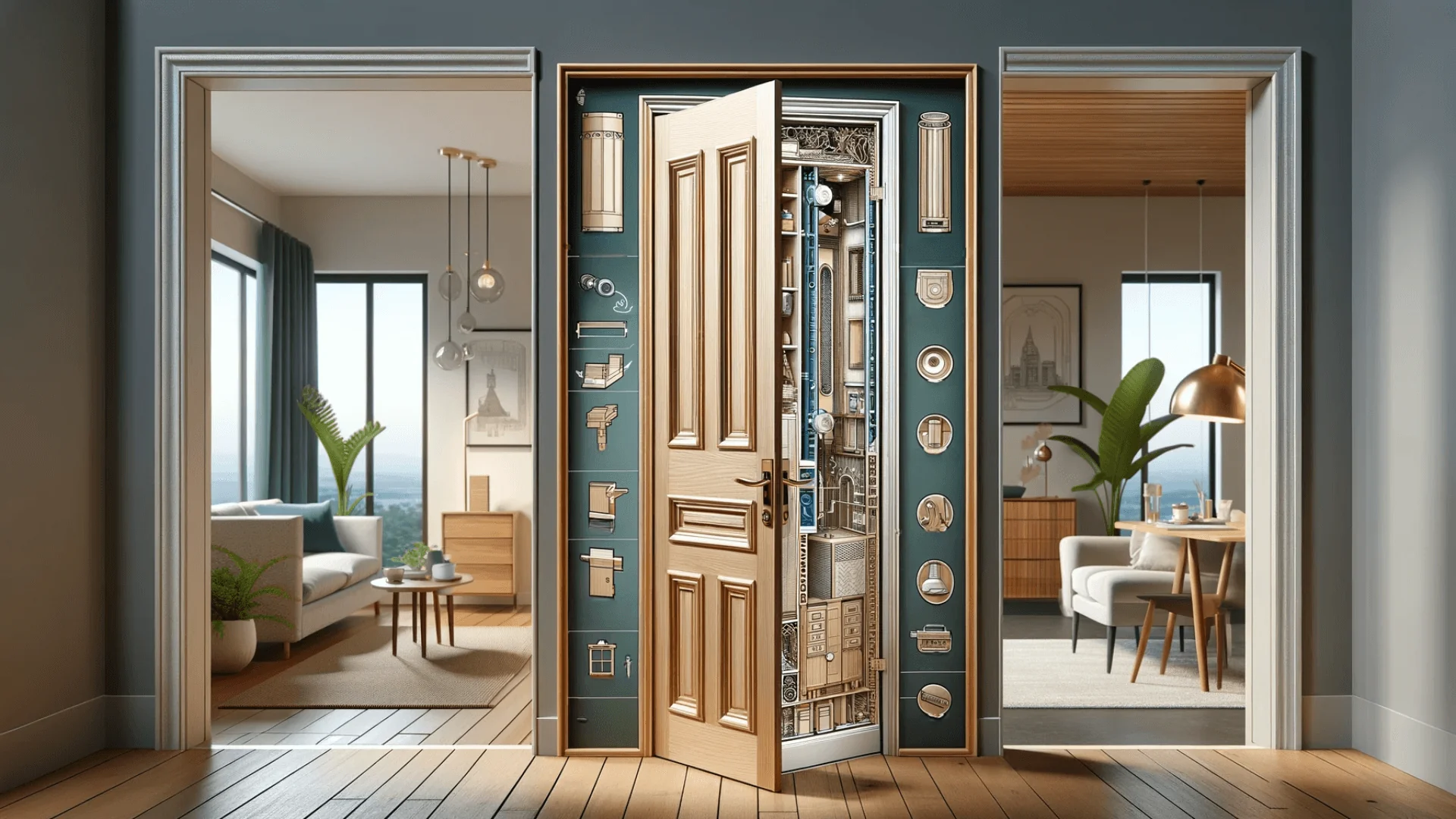
Architraves have long been an essential element in architectural design, bridging the gap between walls and doors or windows with elegance and style. While often seen as a purely functional feature, architrave offer a wealth of opportunities to enhance the visual appeal of any interior. When used thoughtfully, they can transform a simple room into a space that feels refined, timeless, and cohesive.
One of the most effective ways to elevate an interior is through the use of bold, statement architraves. Wider profiles with intricate detailing can draw attention to key features such as doorways or large windows, creating a sense of grandeur. For those aiming for a contemporary aesthetic, sleek and minimal architraves with clean lines can add sophistication without overwhelming the space. The key is to choose a style that complements the overall design scheme while subtly enhancing architectural character.
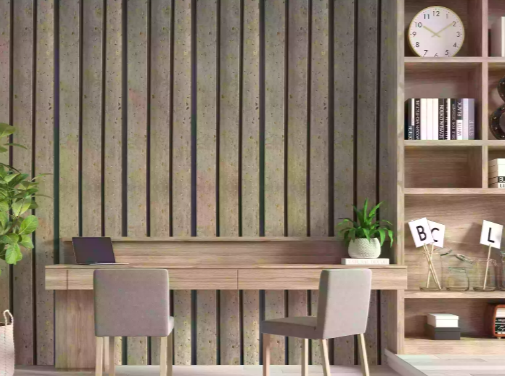
Another creative approach is to integrate architraves with wall panelling. By extending the same moulding around doors and windows, and even framing sections of the wall, you can achieve a harmonious, structured look. This technique not only emphasizes the architectural details of a room but also introduces depth and texture, making the interior feel layered and visually appealing. Combining architraves with contrasting paint or finish can further highlight these details, adding a refined and artistic touch.
Architraves also provide an opportunity to play with color and finish. Classic interiors often benefit from white or neutral tones, which maintain a timeless appeal and allow the architrave to blend seamlessly with walls and ceilings. On the other hand, darker or contrasting colors can create dramatic focal points, especially in modern or eclectic spaces. Wood finishes, whether painted, stained, or natural, can add warmth and a sense of craftsmanship that elevates the overall aesthetic.
For homeowners seeking a subtle yet impactful transformation, layering architraves with other decorative elements such as cornices or skirting boards can create a cohesive, elegant look. This combination can unify different parts of a room, adding a polished, finished quality that feels both deliberate and classic. Even in minimalist interiors, the careful selection of proportion, texture, and finish ensures that architraves serve as both a functional and decorative feature.
Finally, architraves can be used creatively in non-traditional ways. Framing mirrors, artwork, or shelving with mouldings traditionally used around doors and windows introduces a unique design element that draws the eye. These unconventional applications demonstrate the versatility of architraves and their potential to redefine interior spaces.
In conclusion, architraves are far more than a simple trim; they are a design tool capable of enhancing the beauty and sophistication of any interior. Through thoughtful selection of style, proportion, color, and placement, they can transform ordinary spaces into environments that feel timeless, cohesive, and refined. By embracing creativity in their use, homeowners and designers alike can ensure that these architectural details remain both functional and visually captivating for years to come.




Leave a Reply