

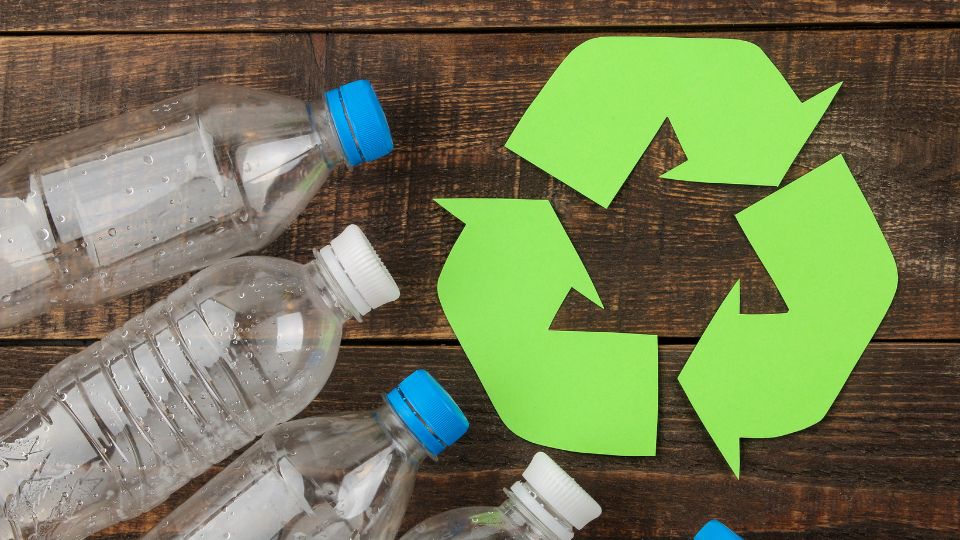
Polypropylene (PP), one of the most commonly used plastics, has earned its place in manufacturing industries due to its durability, versatility, and cost-effectiveness. However, with increasing pressure to implement sustainable practices, many manufacturers are now turning their focus towards PP Recycling. Not only does this practice contribute to protecting the environment, but it also offers tangible financial and resource savings for industries.
This article explores how recycling polypropylene lowers manufacturing costs and conserves valuable resources, providing a win-win solution for manufacturers and the planet.
Reducing Raw Material Costs
Recycled PP significantly reduces the dependency on virgin raw materials required for production. By reusing polypropylene waste, manufacturers eliminate the need to extract and process new plastic, which is a resource-intensive procedure. This, in turn, reduces material procurement costs substantially.
For instance, recycled PP offers similar performance characteristics to virgin PP at a fraction of the cost. This allows industries across sectors like packaging, automotive, and consumer goods to maintain product quality without inflating production budgets. Additionally, the costs associated with fluctuating raw material prices become easier to manage, ensuring a more predictable manufacturing expenditure.
Minimizing Energy Consumption
The process of manufacturing virgin polypropylene requires immense amounts of energy, as it involves extracting raw materials from crude oil and processing them into usable plastic. On the other hand, creating recycled PP uses significantly less energy. Studies show that recycling PP consumes up to 88% less energy than producing virgin plastics.
This reduction in energy usage not only lowers operational expenses for manufacturers but also contributes toward achieving sustainability goals by reducing the overall carbon footprint. For industries looking to balance profitability with environmental responsibility, these energy savings make PP recycling an attractive alternative.
Cutting Waste Management Costs
Plastic waste is a growing issue, prompting stricter regulations on disposal. PP recycling provides manufacturers with a proactive solution, helping to cut costs associated with waste disposal. Instead of incurring fees for landfill use or compliance with governmental waste management policies, industries can repurpose their waste into valuable recycled material.
This eco-friendly approach not only alleviates pressure on landfills but also allows businesses to avoid penalties or fines linked to non-compliance with environmental standards. Additionally, the adoption of recycling practices enhances the company’s reputation, aligning with the expectations of increasingly environmentally-conscious consumers.
Sustaining Resource Availability
Polypropylene is derived from limited resources such as fossil fuels. With these resources continuously depleting, adopting recycling methods ensures their availability for future use. Recycling extends the lifecycle of existing materials, reducing the need to extract new petroleum-based resources.
By incorporating recycled PP into their operations, manufacturers actively contribute to conserving finite resources while addressing potential market challenges associated with scarcity. This sustainable practice not only strengthens the company’s long-term resilience but also supports global efforts to limit the strain on natural resources.
Unlocking Circular Economy Benefits
Recycling PP contributes to establishing a circular economy in manufacturing. A circular economy encourages the continuous use of resources by eliminating waste and reintroducing materials into production cycles. By collecting discarded polypropylene, processing it into recycled material, and using it in production, manufacturers create a closed-loop system that benefits both the business and the environment.









Leave a Reply