

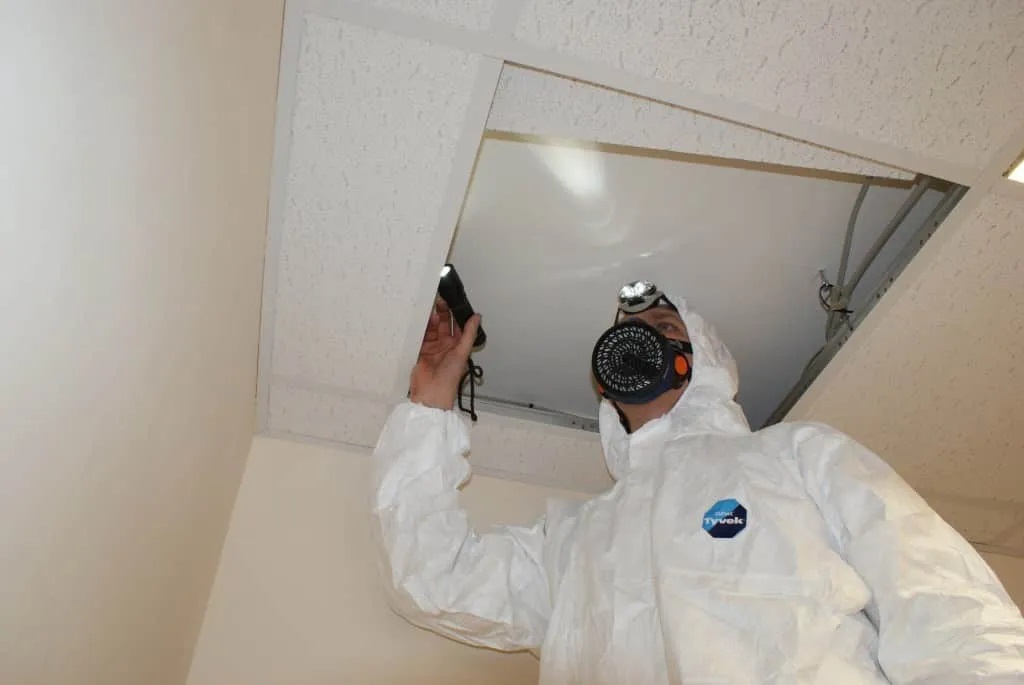
Renovating your home or commercial space can be an exciting project, full of possibilities. But before you start tearing down walls and ripping out floors, there’s a crucial step you shouldn’t overlook—conducting an asbestos survey. This blog post will guide you through the key considerations for asbestos surveys in renovation projects. By the end, you’ll understand why these surveys are essential, how they protect you, and what steps you need to follow to ensure a safe renovation.
What is Asbestos and Why is it Dangerous?
Before we jump into the nitty-gritty of asbestos surveys, let’s first understand what asbestos is. Asbestos is a naturally occurring mineral that was once widely used in construction materials due to its durability and resistance to heat. However, it was later discovered that asbestos fibers pose significant health risks when inhaled. Prolonged exposure can lead to serious illnesses such as asbestosis, lung cancer, and mesothelioma.
The Importance of Conducting an Asbestos Survey
When you’re planning a renovation, an asbestos survey is a critical safety measure. These surveys help identify the presence of asbestos-containing materials (ACMs) in your property. Knowing where asbestos is located allows you to take appropriate actions to either remove it or encapsulate it safely. Ignoring this step can lead to accidental exposure, putting everyone involved at risk.
Types of Asbestos Surveys
There are mainly two types of asbestos surveys—Management Surveys and Refurbishment/Demolition Surveys. Management Surveys are generally non-intrusive and are aimed at identifying ACMs during normal occupancy. On the other hand, Refurbishment/Demolition Surveys are more invasive and are conducted before any renovation or demolition work begins. This type of survey ensures that no ACMs are disturbed during the renovation.
When Should You Conduct an Asbestos Survey?
Timing is crucial when it comes to asbestos surveys. Ideally, you should conduct the survey before any renovation work begins. This proactive approach allows you to address any asbestos-related issues beforehand, avoiding delays and additional costs later in the project. Early detection also ensures the safety of workers and occupants.
How to Choose a Qualified Professional
Not all surveys are created equal, and the accuracy of your asbestos survey depends largely on the expertise of the professional conducting it. Look for certified asbestos inspectors with a proven track record and relevant experience. Make sure they use accredited laboratories for sample analysis to ensure the reliability of the results.
The Cost of an Asbestos Survey
The cost of an asbestos survey can vary based on the size of your property and the complexity of the survey required. While it may seem like an additional expense, consider it an investment in your safety and peace of mind. Skipping this step can lead to far more costly and dangerous issues down the line.
What Happens After the Survey?
Once the survey is completed, the asbestos inspector will provide a comprehensive report detailing the findings. If ACMs are identified, you’ll receive recommendations for managing or removing the asbestos. Depending on the level of risk, you may need to hire a licensed asbestos removal contractor to handle the abatement process.
Legal Requirements and Regulations
Different regions have varying regulations regarding asbestos management and removal. Familiarize yourself with the local laws to ensure compliance. Failure to adhere to these regulations can result in hefty fines and legal complications. It’s not just about meeting legal requirements; it’s about ensuring the safety and well-being of everyone involved.
DIY vs. Professional Removal
While some homeowners may be tempted to handle asbestos removal themselves, it is highly discouraged. DIY removal can lead to accidental exposure and improper disposal, posing significant health risks. Always opt for professional removal services to ensure the job is done safely and in compliance with regulations.
Benefits of a Safe Renovation
Conducting an asbestos survey and following through with safe removal practices offer numerous benefits. Not only do you protect the health of everyone involved, but you also increase the value of your property. A safe renovation project reduces liability and ensures a smooth, hassle-free process from start to finish.
Common Misconceptions About Asbestos
One common misconception is that newer buildings are free from asbestos risks. However, renovations can uncover hidden ACMs in older structures integrated into newer builds. Another myth is that short-term exposure is harmless. Even minimal exposure can lead to serious health issues over time, making it crucial to address asbestos risks immediately.
Conclusion
Renovating your property is an exciting venture, but it comes with its share of responsibilities. Conducting an asbestos survey is one of the most important steps you can take to ensure a safe and successful renovation. From understanding what asbestos is to knowing when and how to conduct a survey, this guide has covered all the key considerations. By taking these steps, you protect not only your investment but also the health and safety of everyone involved. Don’t wait—take action today to ensure your renovation project is both safe and successful. For more information and to book a professional asbestos survey, contact us now.






Leave a Reply